

POLICY & REGULATION

Who Benefits From Greenwashing Laws?
As the industry welcomes stronger protections against greenwashing, are we confusing a customer’s right to reliable information with their willingness to interpret it?

As the industry welcomes stronger protections against greenwashing, are we confusing a customer’s right to reliable information with their willingness to interpret it?
Circulose, which emerged from Renewcell's 2024 bankruptcy, has restarted its Swedish textile-to-textile recycling plant with 16 brand commitments and named a new interim CEO.
Stella McCartney's campaign with Kylie Jenner has drawn criticism from the brand's own community. It also tests a question the industry keeps circling: what happens when a sustainable brand uses mainstream fashion's tools to reach mainstream consumers?
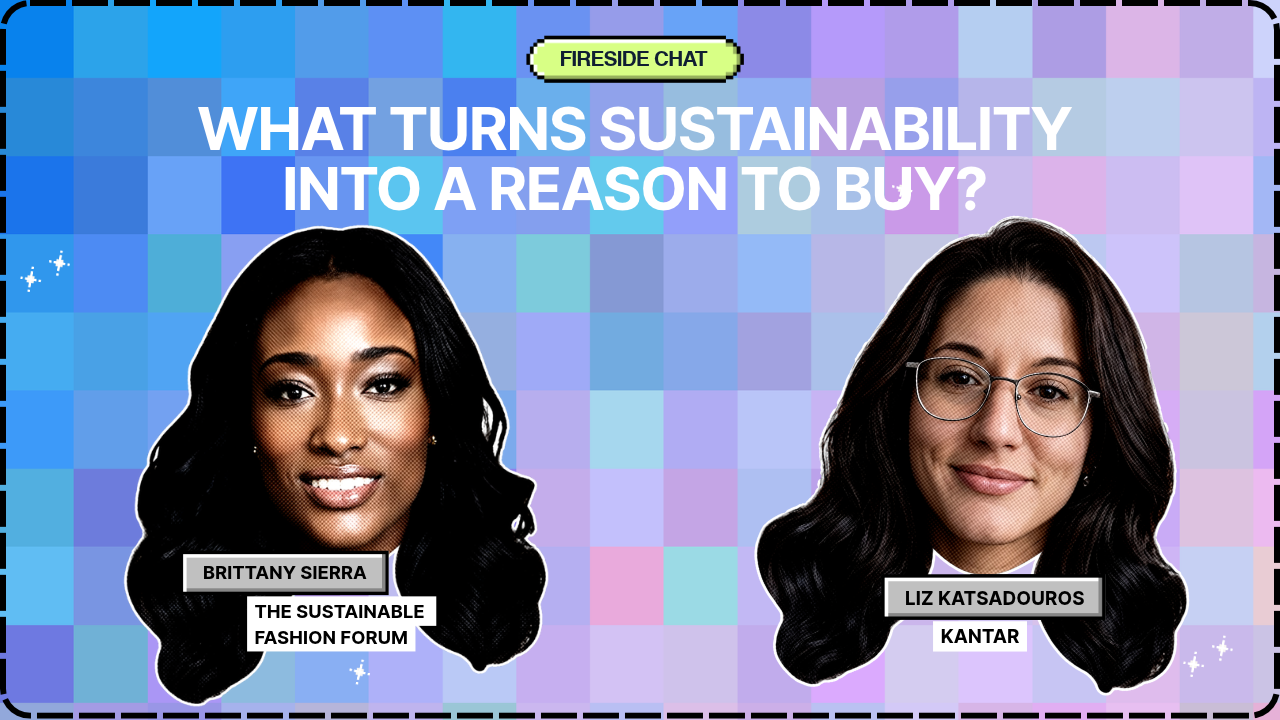
Better materials, technologies, and systems are essential. But what makes people choose them? SFF Founder Brittany Sierra and Kantar’s Elizabeth Katsadouros open SFF26 by exploring the question guiding this year’s conference: what turns sustainability investment into adoption?
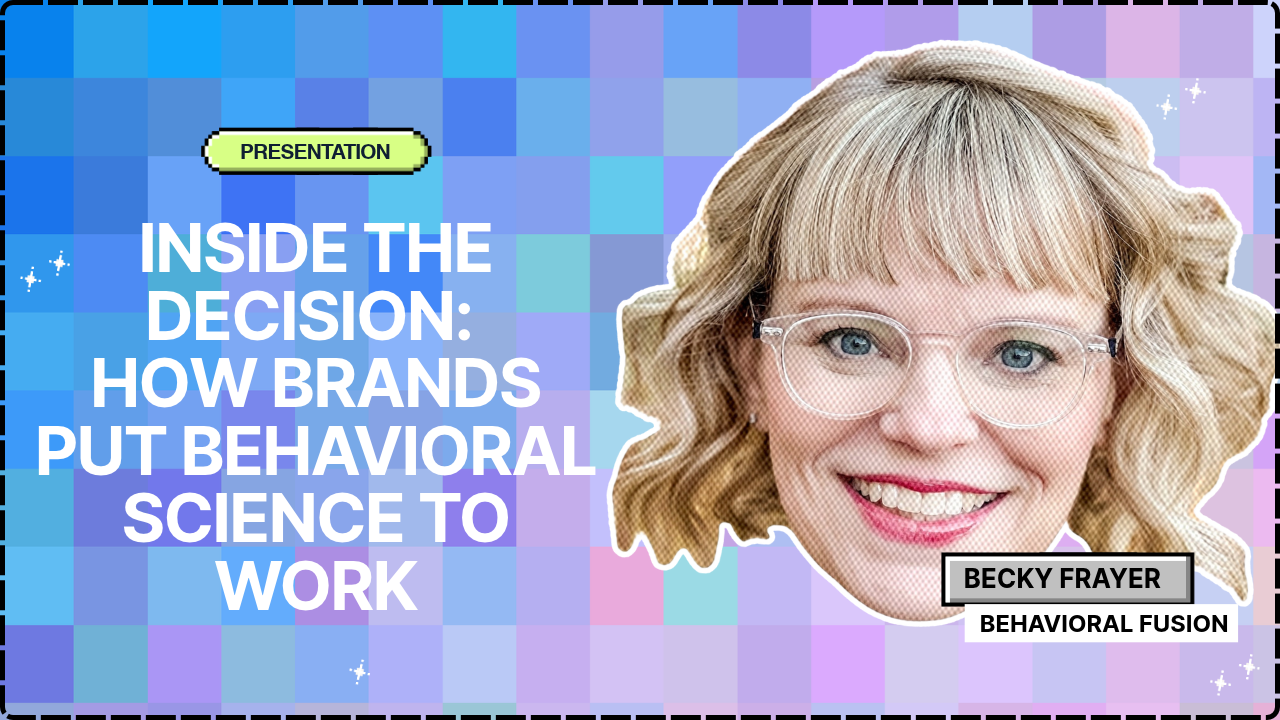
What makes a sustainable product or program feel worth it? Behavioral scientist Becky Frayer introduces WORTH, a framework for assessing what customers gain against what they give up across money, needs, familiarity, time, and social identity. Through brand and recycling examples, she shows how teams can identify hidden costs of participation, strengthen perceived value, and answer a critical question: how is this better for the customer?
How do you get more people to participate in circular systems? Goodwill’s David Eagles and Kantar’s Elizabeth Katsadouros join the Ellen MacArthur Foundation’s Haley Lieberman to connect consumer behavior with the infrastructure behind donation, repair, and reuse. The closing conversation offers practical priorities: identify where people drop out, make participation valuable and convenient, build trust in what happens next, and partner with existing systems before creating new ones.



Irrational Labs' Pauline Kabitsis joins SFF founder Brittany Sierra to discuss what brands miss about consumer decision-making and how to identify what's holding back participation.
When a sustainability initiative underperforms, brands often interpret the results as evidence that sustainability isn't a driver of consumer demand.
Pauline Kabitsis of behavioral design consultancy Irrational Labs challenges that interpretation through a corporate cafeteria project where employees asked for healthier options, but when the company provided them, few people took them. What appeared to be a contradiction between stated preferences and behavior became a lesson in how context influences decisions.
In this conversation from the 2026 Sustainable Fashion Forum, founder Brittany Sierra speaks with Kabitsis about what brands miss when they take consumer preferences at face value. From the cafeteria's uneaten healthy options to the unexpected role of effort in a cake mix's appeal, the conversation challenges familiar assumptions about what gets people to act, with implications for how fashion brands design, market and evaluate their sustainability initiatives.
This conversation premiered at the 2026 Sustainable Fashion Forum, a two-day digital conference exploring consumer behavior, market demand and the internal buy-in needed to turn sustainability into business value.